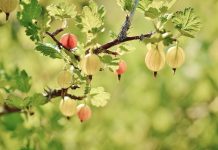
Feijoa: nutrition facts and health benefits
Feijoa is an important source of vitamin C, fibre and antioxidants. This small green fruit of oblong shape and the size of a large egg has a very pleasant odor. From the guava family,...

Kumquat: nutrition facts and health benefits
The kumquat is the smallest of citrus fruits: its size varies from 2.5 to 5 cm. It looks like a tiny orange. Its flesh is very juicy and divided into quarters. Its skin, very...
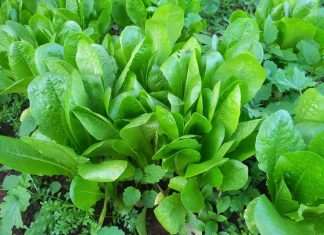
Chicory: nutrition facts and health benefits
The chicory is a plant in the chicory family. It has the same name in English and Japanese, but is called "chic" in Belgium and northern France, and witloof in Flemish.
The history of chicory
The...

Pear: nutrition facts and health benefits
The pear is an oval fruit with slightly convex sides at its base. Its skin, of varying color, evolving from green to yellow with sometimes red traces, covers a somewhat granular, very juicy flesh...

Loquat (Japanese medlar): nutrition facts and health benefits
The medlar of Japan is the fruit of the loquat. It is a small orange fruit with an oval shape, slightly fluffy skin. Its flesh is very juicy, sweet and acidic. Its core is...

Rhubarb: nutrition facts and health benefits
Rhubarb is a vegetable plant with imposing leaves in the centre of a thick, fleshy rib. Only this one must be consumed, the leaves very rich in oxalic acid can be the cause of...

Beet: nutrition facts and health benefits
Beta vulgaris, is the scientific name of garden beet. Other types exist, fodder beet and sugar beet, which are inedible. Different varieties of garden beet are cultivated. All have a root very fleshy, round,...
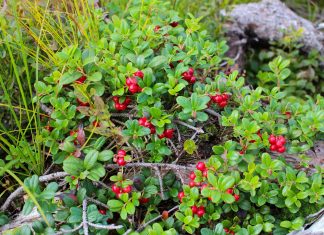
Lingonberry (cowberry): nutrition facts and health benefits
The lingonberry is a small red berry. There are several varieties, such as cowberry or cranberry vine of Mount Ida. Lingonberry is small, red and acid, slightly floury. It is found on the early...

Carrot: nutrition facts and health benefits
The term "carrot" includes both the plant garden as the tuber, more or less elongated, it is consumed as a vegetable. The carrot is grown in all temperate areas of the world.
History of the...
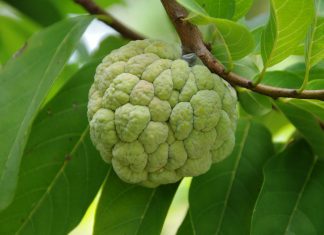
Annona: nutrition facts and health benefits
Annona is an exotic fruit in the form of a bumpy round pear. Its flesh is white and very juicy. It’s sweet and very fragrant. Its flavor reminds the taste of clove and cinnamon....